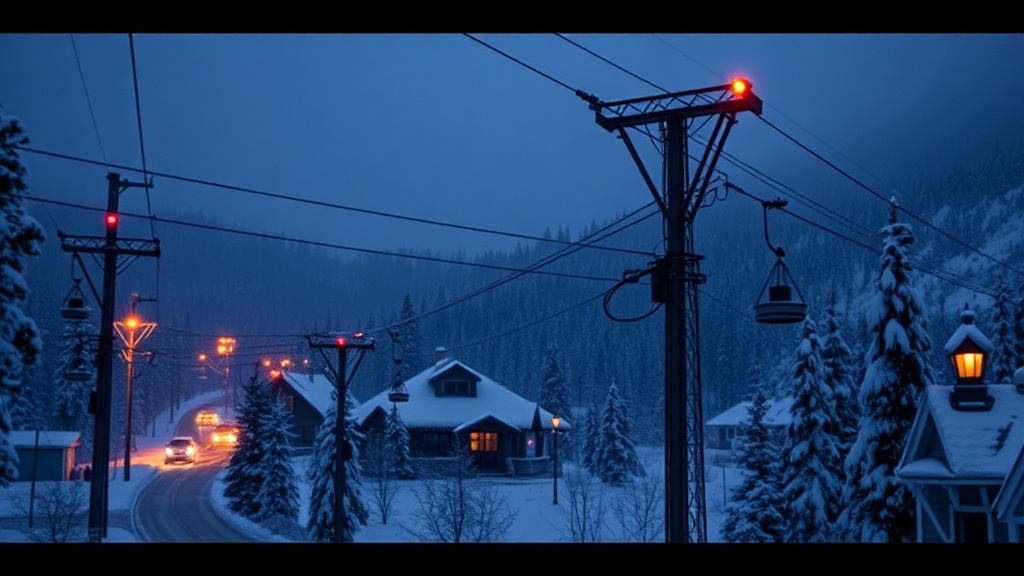
How to Stay Connected When Whistler's Winter Storms Knock Out Power

Why Do Whistler Power Outages Hit Harder Than Most Places?
Most people assume losing power for a few hours is just an inconvenience—a chance to light some candles and wait it out. But in Whistler, winter outages are different. When the temperature drops to -15°C and the snow keeps falling, a blackout becomes more than an annoyance. It becomes a genuine risk to your home, your pipes, and your safety. We live in a mountain community where storms roll in fast, trees heavy with snow take down power lines along Highway 99, and repair crews sometimes can't reach remote neighborhoods like Alpine Meadows or Bayshores for hours—or even days.
The Resort Municipality of Whistler (RMOW) maintains excellent infrastructure, but geography is geography. When a Pacific storm meets the Coast Mountains, thousands of households can lose power simultaneously. And because we're a community of seasonal residents, weekend commuters, and full-time locals, not everyone knows the drill. This guide covers what we actually do in Whistler when the lights go out—and how to keep your home and family safe until BC Hydro restores service.
How Should Whistler Residents Prepare Before Storm Season?
Preparation starts in October, before the first major storm hits the Sea to Sky Corridor. We know it's coming—the question is when, not if. Start by mapping your home's vulnerabilities. Do you have electric heat? An electric water heater? If your home relies entirely on the grid for warmth (unlike older Whistler cabins with wood stoves), you need a backup plan.
Invest in a portable generator if you can—but only if you understand the safety protocols. Carbon monoxide poisoning kills people every winter because someone ran a generator in a garage or too close to a window. In Whistler, where homes are tightly sealed against the cold, this risk is even higher. If a generator isn't practical, consider alternative heat sources approved for indoor use, and stock up on fuel before the storm warnings start. The Home Hardware in Function Junction sells out of kerosene and propane within hours of a major weather alert.
Your emergency kit should include more than flashlights and batteries. Stockpile water—pipes can freeze within hours if your heating fails, and you may lose running water too. Keep non-perishable food that doesn't require cooking, since your electric stove won't work. And if you take medication that requires refrigeration, talk to your pharmacist now about emergency protocols. The PreparedBC website has excellent checklists tailored for British Columbia households.
What Steps Protect Your Whistler Home During an Actual Outage?
When the power goes out, act quickly. Turn off your heating system's main switch—when power returns, the surge can damage furnaces and heat pumps. Unplug electronics to protect them from the same risk. Then check your breakers to confirm it's actually an outage, not just a tripped circuit.
If you have water pipes in exterior walls or unheated spaces (common in older Whistler homes and carriage houses), open cabinet doors to let warm air circulate, and let faucets drip slightly. Moving water freezes more slowly. If you have a wood-burning fireplace, now's the time to use it—but never use your oven or stove for heat, and never bring outdoor heaters inside. The Whistler Fire Rescue Service responds to carbon monoxide calls every winter from people who made this mistake.
Check on your neighbors—especially seniors or anyone with young children. Whistler's community spirit shines during outages. The RMOW emergency management team often opens warming centers at the Meadow Park Sports Centre or the Whistler Public Library when outages are widespread and prolonged. Follow the municipal website and local Facebook groups for updates.
Don't open your refrigerator or freezer unnecessarily. A full freezer can keep food safe for up to 48 hours if you leave it closed. After four hours without power, move perishables to a cooler with ice if you have it, or place them outside in a secure container—just watch for wildlife. Whistler's black bears may be hibernating in deep winter, but gray jays and pine martens have no problem raiding your makeshift outdoor fridge.
How Can Whistler Locals Stay Informed During Extended Blackouts?
Information is your most valuable resource during a prolonged outage. Your smartphone becomes your lifeline—so conserve battery from the moment power fails. Switch to airplane mode when not actively checking for updates, dim your screen, and avoid streaming video. A car charger or portable battery pack is worth its weight in gold.
BC Hydro's outage map and reporting system works on mobile data, and they provide estimated restoration times—though in Whistler's mountainous terrain, these are often optimistic. Follow the RMOW's emergency Twitter/X account and local community pages. Whistler Blackcomb sometimes posts updates that affect staff housing and surrounding neighborhoods. The Pique Newsmagazine website covers major outages with real-time updates.
If you have a landline, keep a corded phone that doesn't require electricity. Cell towers have backup power, but it doesn't last forever. In the 2021 atmospheric river events, some Whistler residents lost cell service entirely when backup generators failed. Having multiple communication methods isn't paranoid—it's prudent.
Know when to leave. If your home drops below 8°C and you have no heat source, it's time to seek shelter. Hypothermia can set in before you realize you're in danger, especially if you're dehydrated or tired. The RMOW coordinates with local hotels and community centers to provide emergency accommodation during extended outages. Don't wait until you're desperate—make the call while you can still drive safely.
What About Food, Water, and Special Circumstances?
Whistler's water supply generally continues working during power outages because the municipal system has backup generators. But if you rely on a private well with an electric pump, you'll lose water pressure. Fill your bathtub and any containers as soon as the power fails—this water can be used for flushing toilets and basic hygiene.
If you run a home-based business, work remotely, or have medical equipment that requires electricity, register with BC Hydro's Medical Equipment Registry. While this doesn't guarantee priority restoration, it helps utilities identify vulnerable households. Consider a medical-grade backup battery for critical devices, and have a plan to relocate to a powered facility if needed.
For families with young children, keep activities that don't require electricity—books, board games, art supplies. The stress of a cold, dark house affects kids more than adults admit. Make it an adventure rather than an ordeal. And if you have pets, remember they're susceptible to cold too. Small dogs and cats need extra blankets and should stay in the warmest room with you.
How Do We Recover and Learn After the Lights Come Back On?
When power returns, don't immediately turn everything back on. Wait 10-15 minutes for the grid to stabilize, then restore your systems gradually. Check your home for damage—frozen pipes often don't burst until they thaw, so listen for unusual sounds and watch for water stains on ceilings or walls.
Restock your emergency supplies immediately. Don't wait for next winter. The best time to buy batteries, water, and non-perishables is right after a storm, when stores have restocked and demand is low. Reflect on what worked and what didn't. Did your flashlight batteries die? Did you have enough warm blankets? Update your kit based on real experience.
Finally, thank your neighbors and the repair crews. The linemen working on BC Hydro trucks in driving snow and subzero temperatures are often Whistler locals themselves, working double shifts to restore heat to their own community. Drop off coffee at the work site if you can—it's a small gesture that means everything to crews who've been working 16-hour days.
Living in Whistler means accepting a certain amount of wildness in exchange for living in one of the most beautiful places on Earth. Winter outages are part of that bargain. But with preparation, information, and community care, we get through them together—and our homes and families stay safe until the storm passes.