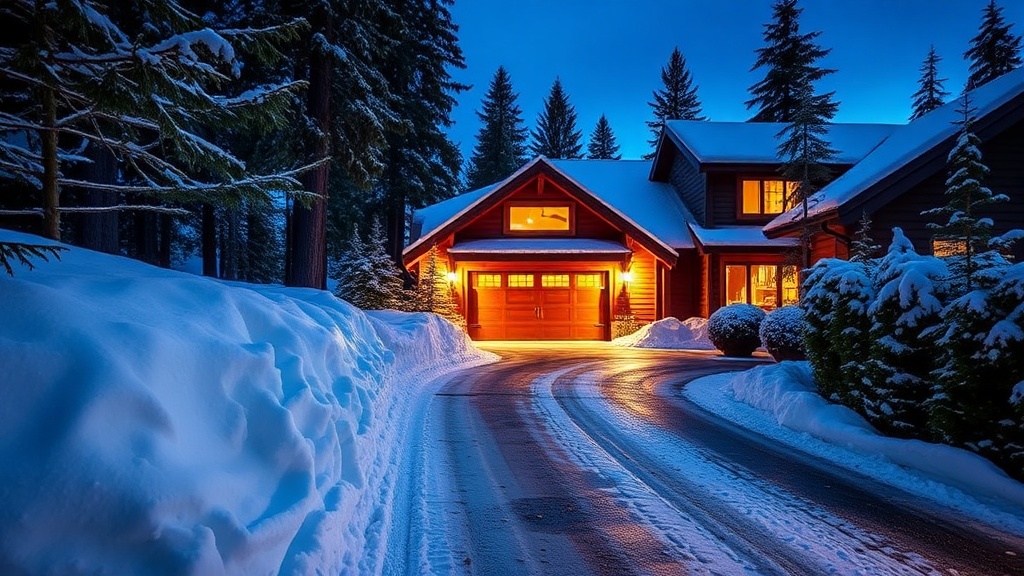
How to Keep Your Whistler Driveway Safe and Accessible All Winter Long

Why Does Winter Driveway Maintenance Matter in Whistler?
Living in Whistler means embracing snow — lots of it. But while we're waxing our skis and swapping tires, our driveways face months of freezing temperatures, heavy snow loads, and constant freeze-thaw cycles. If you've ever slipped on black ice at 6 AM or gotten stuck trying to leave for work, you know driveway maintenance isn't just about curb appeal — it's about safety, accessibility, and protecting your property investment through Whistler's demanding winter months.
This guide covers everything we locals need to know about keeping our driveways functional from first snowfall through spring melt. We'll walk through pre-winter preparation, daily maintenance routines that actually work in our climate, and the specific challenges Whistler's mountain weather throws at asphalt, concrete, and gravel surfaces.
What Should We Check Before the First Snow Falls?
Preparation starts in October — before Whistler Blackcomb opens and before that first serious dump hits the valley. Walk your driveway and look for cracks, potholes, or drainage issues. Water that seeps into cracks in fall becomes expanding ice in winter, turning small problems into expensive repairs come spring.
Seal any cracks wider than a quarter-inch with a quality asphalt sealant. For concrete driveways — common in newer Whistler subdivisions like Brio and Blueberry Hill — check for spalling or surface degradation. Our freeze-thaw cycles are brutal on concrete, and salt exposure only accelerates damage. Consider applying a penetrating concrete sealer before temperatures drop consistently below freezing.
Drainage is critical in Whistler's wet coastal snow climate. Ensure water flows away from your garage, foundation, and walkway. Clear gutters and downspouts that empty near your driveway — ice dams here create hazardous patches that persist for weeks. If your driveway slopes toward your garage (a common design flaw in some older Whistler homes), consider installing a trench drain or at least grading the surface to redirect water.
Which Snow Removal Equipment Works Best for Whistler Properties?
The right tools make the difference between a manageable morning routine and a backbreaking ordeal. For typical Whistler residential driveways — often sloped, compact, and surrounded by snow banks by January — we recommend a two-stage gas snowblower with tracks rather than wheels. The tracks handle our steep grades better, and the two-stage design throws wet, heavy Coast Mountain snow effectively.
Shovel selection matters more than you'd think. A lightweight aluminum or plastic scoop shovel works for powder days, but you'll want a sturdy steel-edged pusher for those wet, cement-like dumps we get when Pacific moisture hits cold air. Keep a bag of sand or non-clumping kitty litter in your garage — when that freeze-thaw cycle creates impossible ice (common in Whistler Creekside and Nordic Estates), traction material gets you moving when salt won't work.
For de-icing, skip the rock salt. It stops working around -10°C — which means it fails during most of our cold snaps. Magnesium chloride or calcium chloride pellets work at lower temperatures and are less damaging to concrete and surrounding vegetation. Better yet, many Whistler residents are switching to beet juice-based de-icers or simply using sand for traction. The Municipality of Whistler has been testing alternative de-icers on municipal roads — check their website for recommended products that won't contaminate our groundwater or damage local watersheds.
How Do We Manage Snow Accumulation on Steep Driveways?
Here's where Whistler's mountain topography creates unique challenges. If your driveway climbs from the road — common in areas like Tapley's Farm, Brio, or any of the Benchlands neighborhoods — snow management requires strategy, not just brute force.
First, understand that snow compacts under vehicle traffic into polished ice. On steep grades, this becomes genuinely dangerous. The solution? Clear snow before you drive on it, every single time. Yes, it's inconvenient at 7 AM when you're already running late. But driving over fresh snow once creates a packed base that becomes ice that lasts for weeks.
Consider installing heating cables if you're renovating. Electric or hydronic driveway heating isn't cheap, but for steep or shaded driveways in Whistler's colder microclimates (looking at you, Emerald Estates), it eliminates the daily battle entirely. Operating costs are reasonable if you use smart controls that activate only when precipitation and freezing temperatures coincide.
For existing driveways, snow stakes are key. Mark your driveway edges before the first snowfall — once everything's white, it's surprisingly easy to drive into your garden bed or landscaping. Place reflective stakes every few feet along both sides, and mark any buried drain grates or utility access points.
What's the Best Way to Handle Whistler's Freeze-Thaw Cycles?
Our coastal mountain climate creates a unique winter pattern: snow falls, partially melts during a warm spell, then refreezes into solid ice when temperatures drop. Repeat weekly for five months. This cycle creates the most treacherous driveway conditions — and the most damage to paved surfaces.
The key is rapid snow removal. Don't let snow sit and melt. Clear it immediately to prevent that melt-refreeze layer from forming. For existing ice buildup, mechanical removal beats chemicals every time. A heavy-duty ice chipper or a propane torch (used carefully) removes thick ice without the environmental damage of excessive salt use.
Pay special attention to shaded areas. In Whistler's forested neighborhoods — Alpine Meadows, Rainbow, Nordic — driveways often have sections that never see winter sun. These spots become ice rinks that persist for months. Consider thinning overhanging branches to increase sun exposure, or plan to apply sand regularly to these perpetually icy patches.
When Should We Call Professionals for Driveway Maintenance?
There's no shame in outsourcing — especially for Whistler residents juggling work, skiing, and everything else. Professional snow clearing services typically charge between $40-80 per visit, with seasonal contracts offering better rates. For steep driveways, chronic ice problems, or simply saving your back, this investment pays for itself.
Look for local operators who understand Whistler's specific challenges. Companies familiar with our climate know when to show up (early, before compaction), how to handle heavy snow loads, and where to pile snow without blocking sightlines or creating drainage problems. The Whistler Chamber of Commerce maintains a directory of local contractors — many are small operations run by longtime locals who've been clearing Whistler driveways for decades.
For repairs and resurfacing, timing matters. Schedule asphalt work for late spring when overnight temperatures stay above 10°C. Concrete repairs need similar warmth plus dry weather — rare in Whistler's wet shoulder seasons, so book contractors early. Winter damage often reveals itself during spring melt; inspect your driveway in March and get on contractor schedules before their summer books fill.
Living in Whistler means accepting winter's challenges as part of our mountain lifestyle. A well-maintained driveway isn't just practical — it's what lets us get to the hill on a powder day, get home safely after a late shift, and avoid the frustration of being snowed in when we need to get somewhere. With the right preparation and a consistent routine, your driveway becomes one less thing standing between you and another perfect day in our mountain town.
For more local home maintenance tips specific to our coastal mountain climate, visit the Resident Resources section of the Whistler municipal website or chat with your neighbors — we've all learned these lessons through years of dealing with Whistler's beautiful but demanding winters.