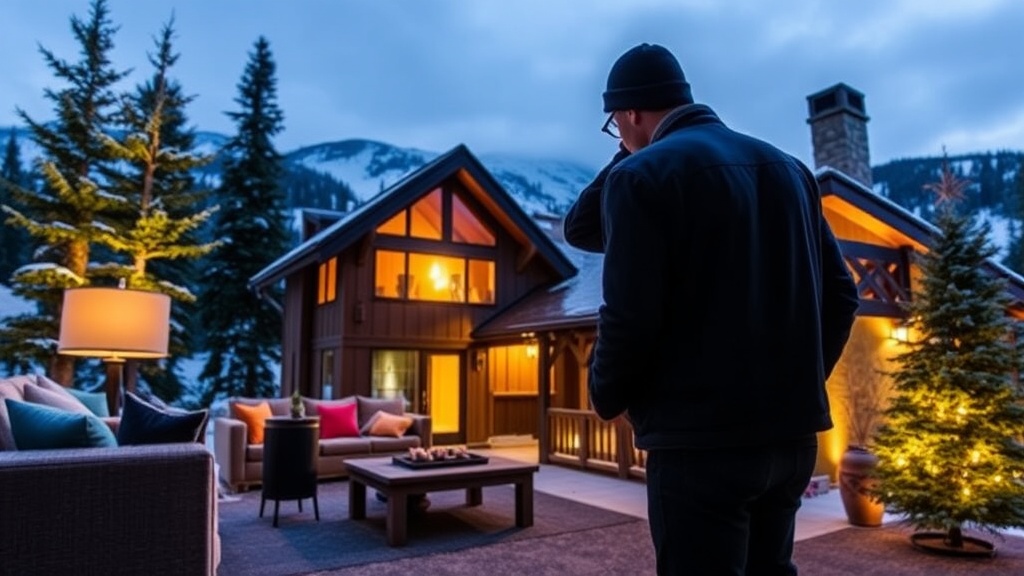
Getting Your Whistler Rental Property Ready for the Season

Are you wondering how to prepare your Whistler rental for the upcoming season?
Living in Whistler means we are constantly aware of the changing weather, and for those of us managing properties, that means a constant cycle of maintenance and preparation. Whether you own a condo in the Upper Village or a detached home in Callaghan Valley, the transition between seasons requires more than just a quick glance outside. We're talking about protecting your investment from the heavy snowfall and moisture that defines our local environment. This guide covers the practical steps we need to take to ensure our rental properties remain high-quality and functional for our guests and tenants throughout the year.
The first thing we must address is the exterior of the building. In Whistler, the snow doesn't just fall; it accumulates rapidly. If you manage a property near the Whistler Village core, you'll notice how quickly the sidewalks can become impassable. It's not just about aesthetics—it's about safety and liability. Making sure your walkways are clear and your salt or sand supplies are replenished is a basic part of being a responsible local landlord.
How do I prevent water damage from snowmelt in Whistler?
One of the biggest headaches for property owners in our community is the spring thaw. As the snow melts, it can seep into areas that were previously dry. We've seen many cases where poorly maintained gutters or blocked drains lead to basement flooding or wall damage. Before the heavy snow hits, check your gutters and downspouts. If you live in a neighborhood like Creekside, ensure that your drainage systems are clear of debris so that melting snow actually flows away from your foundation rather than pooling against it.
Checking the seals on your windows and doors is another way to keep the cold out. A drafty window isn't just an annoyance for a tenant; it's a massive drain on heating systems. We recommend a simple way to test this: feel around the edges of your window frames on a particularly cold Whistler evening. If you feel a chill, it's time to call in a professional to re-caulk or replace the seals. This small step saves a significant amount on utility bills over the long term.
What maintenance should I do for my heating system?
You can't afford to have a furnace or heat pump fail during a Whistler cold snap. It's not just about comfort; it's about preventing pipes from freezing. We suggest scheduling a professional inspection of your heating system every year before the winter season kicks into high gear. This includes checking filters, testing thermostats, and ensuring your heat pump or furnace is running efficiently. If you're renting out your space, a functioning heater is the difference between a happy tenant and an emergency call at 2:00 AM.
For those of us living in the more remote parts of the district, such as the areas near the Blackcomb base, understanding your heating zones is vital. If your property has multiple zones, make sure they are all communicating properly with your central thermostat. You can find more technical standards for home safety via the BC Safety Authority to ensure you're meeting local requirements.
Where can I find reliable help for property repairs in Whistler?
Finding reliable contractors in a mountain town can be a challenge. Most people rely heavily on word-of-mouth within the community. If you need a quick fix, sometimes the local hardware stores or even the community boards at places like the Whistler Official Website can point you toward trusted tradespeople. We've found that building relationships with local handymen and plumbers early in the season is much better than scrambling when a pipe bursts in the middle of a blizzard.
Keep a list of local emergency contacts readily available for your tenants. This includes a local plumber, an electrician, and a reliable snow removal service. In a town like Whistler, where weather can change in minutes, having these numbers pinned to the fridge or saved in a digital shared folder is a standard practice for anyone managing a property professionally.
Lastly, don't forget about the interior. Dust and debris from heavy snow gear can quickly accumulate. If you are preparing a rental for a new season, a deep clean of the floors and high-touch surfaces is a must. We always suggest checking the battery levels in your smoke detectors and carbon monoxide alarms—this is a non-negotiable safety step for every household in our community. A well-maintained home is a happy home, and in Whistler, the extra effort pays off when the weather gets tough.